A practical comparison
Begin with the relationship between rooms.
A Finnish sauna cabin can mean a small sauna building, a cottage with a sauna room, or a larger holiday house with a separate bathing building. The label alone does not tell you what is included. Look for a floor plan or a clear description of sleeping areas, washing facilities and access between buildings.
Ask whether the sauna sits inside the main cabin or stands apart. An internal sauna is convenient in cold or wet weather. A separate sauna can make the bathing space feel distinct and may sit closer to the shore. It also means walking between buildings. That route needs safe lighting and suitable footwear, especially in winter.
Traditional timber cottages
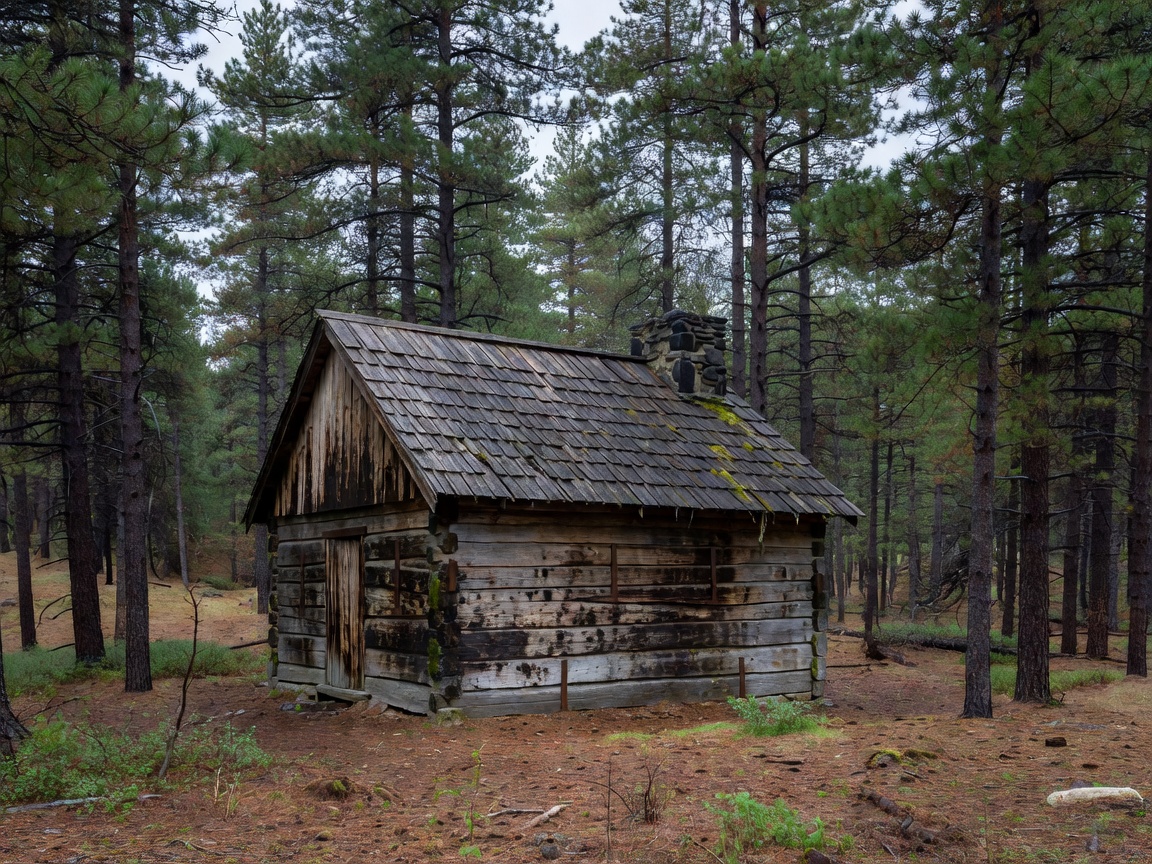
A timber cottage often combines a modest living area, sleeping rooms and a sauna under one roof. Some have a simple washroom. Others rely on a separate washing building or water carried from a well. The format can feel straightforward because daily tasks happen close together.
Check the heating method for both the living space and sauna. A wood stove may require preparation and attention. An electric heater, where available, can be easier to operate but depends on the cabin’s electrical setup. Ask who supplies firewood and whether lighting the stove is part of the guest’s responsibilities.
Lakeside cottages and separate sauna buildings
A lakeside cottage describes a setting, not a standard layout. The main building may stand back from the water while a small sauna sits nearer the shore. This arrangement can give the sauna its own character and make cooling outside feel natural. It can also create a longer, exposed walk in rain, wind or snow.
Clarify whether the shoreline is private, shared, public or simply nearby. Confirm whether there is a dock, a gently sloping entry, steps or no direct bathing access. A lake view is not the same as safe water access. Shoreline depth, rocks, vegetation and seasonal water levels all affect use.
Modern, compact and wilderness formats
Modern sauna cabins may pair clean-lined timber construction with large windows, efficient layouts and contemporary washing facilities. They can be comfortable for guests who want a simple indoor routine. Glass and exposed locations may reduce privacy, so check sightlines and neighboring buildings.
Compact cabins use limited floor area well. Sleeping and living spaces may share one room, while the sauna is either integrated or separate. They suit smaller groups who pack lightly and accept fewer storage options. A wilderness cabin may be more basic again. It might have limited electricity, a dry toilet, water carried by hand or access that depends on the season. Treat “remote” as a facilities question, not only a scenery description.
Sleeping capacity is a category, not a promise of comfort
Capacity descriptions can include sofa beds, loft mattresses or shared rooms. Compare the number of proper beds with the total stated capacity. Look for headroom, privacy, storage and whether bedding is supplied. A larger family cabin may offer separate sleeping rooms and a bigger kitchen, but it can also mean more space to heat and maintain.
For winter use, consider the route between the sauna and sleeping area, interior heating and drying space. For summer, insect screens, shade and ventilation matter. Seasonal suitability depends on actual equipment and access, not the cabin’s appearance in a listing.
Good for
- One compact base: an integrated sauna cabin with indoor washing facilities.
- A distinct sauna ritual: a separate building close to the main cottage.
- Simple remote stays: a wilderness format, if limited services are acceptable.
- Groups: a larger cottage with clearly described beds and shared spaces.
What to know before choosing
Separate the attractive features from the practical ones. Identify the sauna heater, water source, toilet type, cooking equipment, power supply and distance between buildings. Confirm how much effort is required to heat the space. Ask whether the location and access suit your dates.
No single format is universally better. A separate wood-heated sauna can be rewarding for guests who want to manage the fire. An integrated electric sauna can reduce setup work. Compare effort, privacy and access against the time you want to spend at the cabin.
Practical checklist
- Is the sauna inside the cabin or in a separate building?
- What heats the sauna and the living space?
- Are water, shower and toilet facilities indoors?
- How many beds are there, and where are they located?
- How far is the shore, and what does lake access involve?
- What changes in winter or shoulder seasons?
Use this checklist alongside the facilities guide. For shoreline questions, see lakeside location considerations.