Trip framework
Start with the dates and the cabin.
Season affects daylight, road access, water arrangements, clothing and how much time the sauna needs. Before choosing dates, compare the cabin’s actual facilities with your group’s needs. A remote cabin may ask guests to manage heating and water. A more equipped cabin may reduce setup but still require advance arrival planning.
Choose a season with realistic expectations
Summer can bring long daylight and easier movement outdoors, but weather changes and insects are possible. Spring may mean wet paths, thawing ground and variable shoreline conditions. Autumn brings cooler evenings and shorter days. Winter can require careful attention to snow, ice, darkness, heating and water availability.
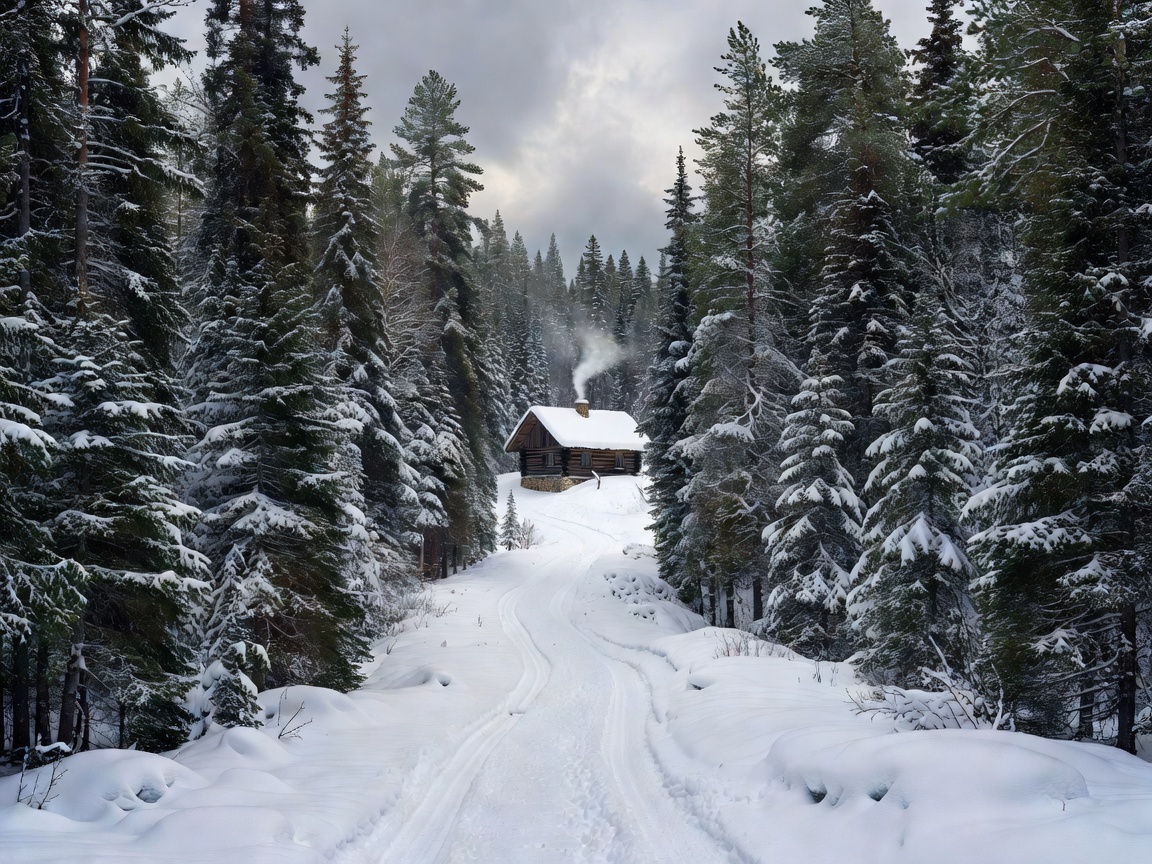
Do not use a seasonal photograph as a forecast. Check a reliable current weather source close to departure and review any instructions from the cabin contact. Confirm whether the property is accessible on your dates and what equipment or services operate then. This guide does not provide live weather, road, transport, price or availability information.
Plan transport and the final approach
Map the route to the general area, then ask about the last section. Confirm the correct arrival point, parking location and walking distance with luggage. Rural addresses can be difficult to find after dark. Save written directions and contact details before setting off, especially if mobile coverage may be limited.
Check current public transport schedules directly with operators if you are not driving. Do not assume that a nearby settlement provides a regular connection to a cabin. If using a taxi or pre-arranged transfer, confirm the pickup point and return plan. In winter, check current road conditions and any vehicle or tire requirements through appropriate local sources.
Pack for the facilities, not the image
Ask what is supplied before packing. Common items to confirm include towels, bedding, soap, toilet paper, kitchen basics, drinking water and sauna firewood. Bring only what the cabin lacks. Keep essential medicines, personal items and a small first-aid kit accessible.
- Sauna: towels, a sitting towel if preferred, wash items and dry clothing.
- Outdoor use: warm layers, weatherproof outerwear, sturdy footwear and a headlamp.
- Water: a reusable bottle and a plan for drinking water if supply is limited.
- Cabin: chargers, food storage bags and any personal bedding items you need.
- Winter: insulated clothing, spare socks and footwear suited to snow or ice.
Plan food and water
Check kitchen equipment, refrigeration and cooking fuel. Build meals around the actual facilities, not a general assumption that every cabin has a full kitchen. For remote locations, plan the grocery stop before arrival and consider how food will remain cold or be stored safely. Confirm drinking water arrangements. Do not rely on an unverified well or lake as a potable source.
Ask how waste and recycling are handled. Some locations may require guests to carry items away or sort them at a designated point. Keep food secure and follow local instructions for waste, fire safety and wildlife.
Time the arrival and sauna preparation
Read the check-in information and agree on an arrival window. If heating takes time, arriving late can reduce time for settling in. Ask whether the cabin needs to be warmed before use and who starts the fire. Find the light switches, water source, stove instructions and exit routes before dark.
For a wood-heated sauna, allow preparation time and follow the provided instructions. Keep firewood dry and use only the designated fuel. Set towels and clothes where they remain dry. Check the route between the sauna, cabin and any outdoor cooling space. Lake entry is optional; verify conditions and safe access rather than treating it as a default activity.
Departure checklist
Before leaving, follow the cabin’s actual check-out instructions. Common tasks may include extinguishing fires as directed, cleaning kitchen items, removing food, sorting waste, returning keys and checking for personal belongings. Do not assume a fireplace or sauna stove is safe until it has been handled according to the supplied instructions.
- Switch off equipment as instructed and check all rooms.
- Leave the sauna, kitchen and washing areas in the requested condition.
- Remove or sort waste according to local guidance.
- Return keys and confirm departure with the host if required.
- Check the route and travel conditions before leaving.
Good for
This planning approach suits first-time sauna cabin guests, winter travelers, families and anyone staying somewhere with limited services. It is also useful for groups that need to coordinate arrival times, food and shared sauna expectations.
What to know
Planning notes are general, not live travel information. Verify cabin access, transport times, weather, road conditions and facility operation shortly before travel. Ask the responsible contact about property-specific instructions. Use the facilities checklist and location guide to complete your preparation.